
Knowledge Bank
Crypto Bullruns Past and Present
Apr 2024
By Kairon LabsKnowledge Bank
 Dec 2025
 8 mins
 |
|
The first week of December 2025 delivered a sharp lesson in crypto market structure. As macro uncertainty flared, Bitcoin (BTC) saw a rapid decline that pushed its price below the $86,000 mark, triggering a cascade of liquidations totaling hundreds of millions in leveraged long positions.
While headlines focused on the price action, from a market-maker’s perspective, this was a textbook case of a liquidity gap amplifying a macro-driven move. It confirms that in today’s environment, the size and speed of price swings are often dictated by structural fragility, not just fundamental change.
Recent events underscore several critical structural issues in the current crypto landscape:
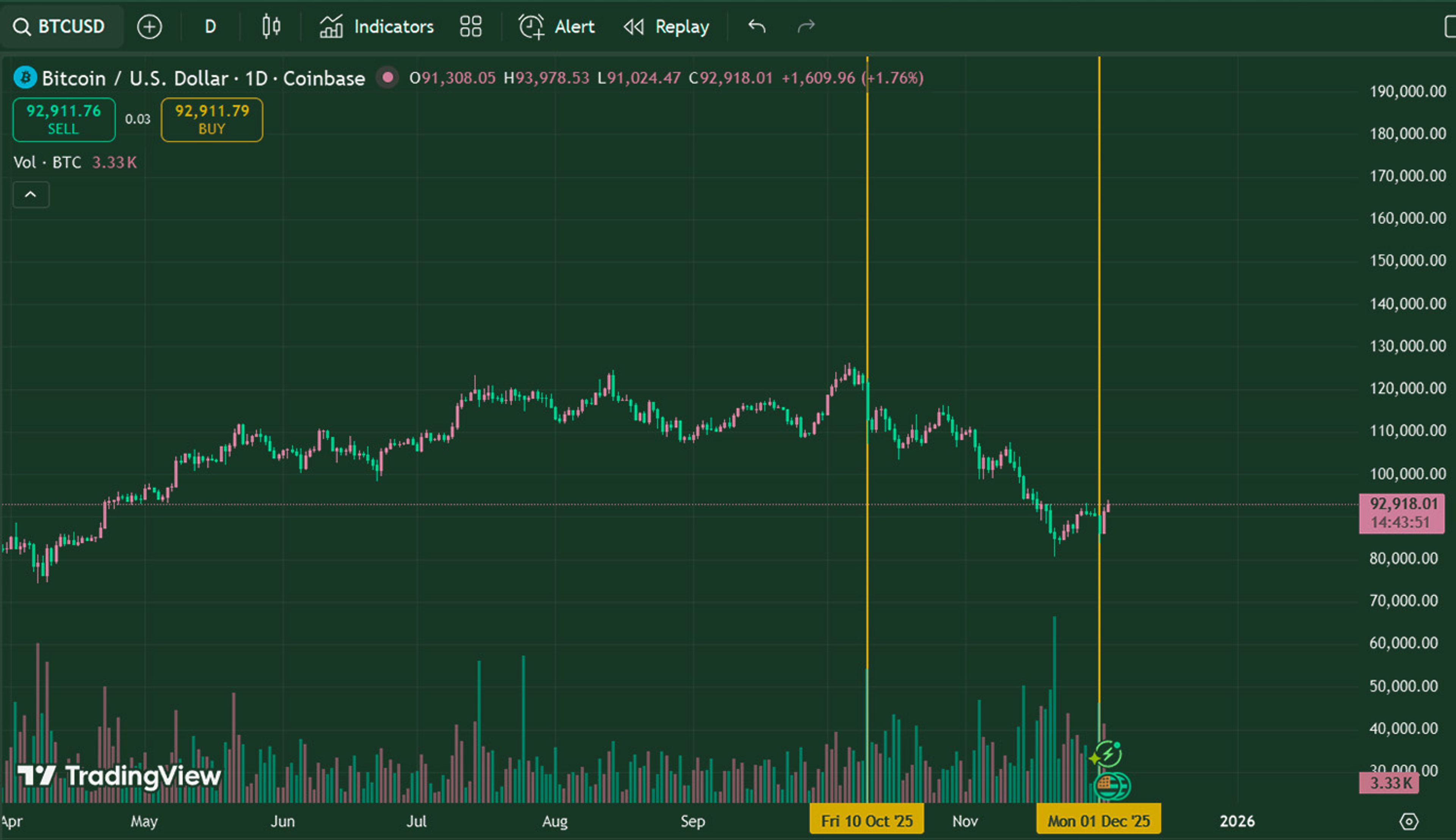
The sudden BTC drop on December 1st was not crypto-native; it was a global liquidity shock meeting an over-leveraged crypto market.
For a detailed look at the price action, ETF flows, and key resistance/support zones during this period, see our latest market commentary: Crypto Market Pulse - December 09, 2025.
On December 1st, Bank of Japan Governor Kazuo Ueda indicated the central bank would consider raising interest rates. This signaled a higher probability of a rate hike at the December 18-19 meeting, instantly pushing Japanese government bond yields higher and strengthening the yen.
This unexpected hawkish stance had significant effects on global liquidity:
The combined impact created the perfect environment for a widespread de-risking event, driving the crypto market crash.
The volatility was compounded by two factors: thin liquidity and high leverage.
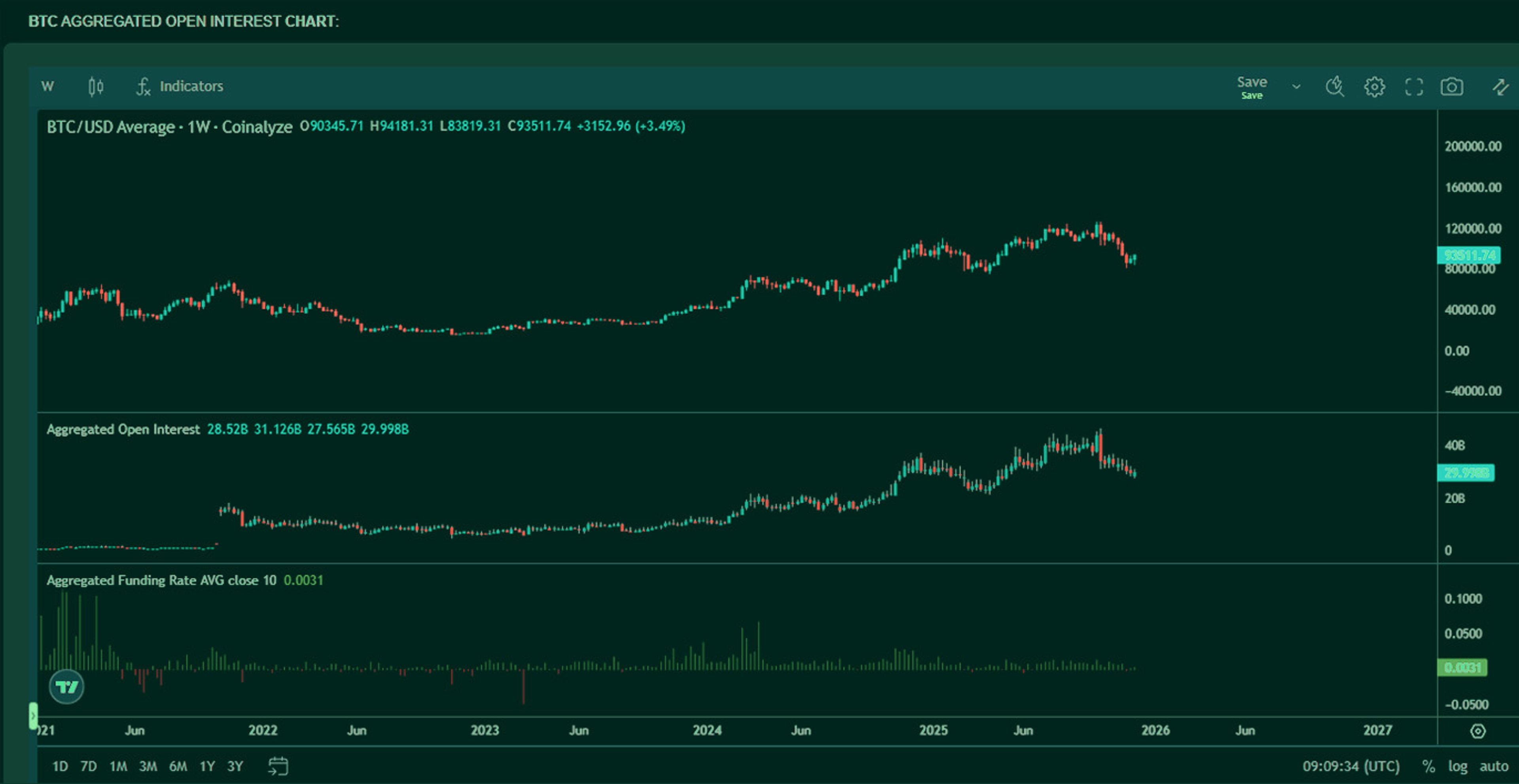
In short, the BoJ action was the catalyst, but thin liquidity and high Open Interest were the accelerants.
Rob Vukosa, Head of Business Development at Kairon Labs, explained the macro framing of the recent liquidity stress:
"A useful way to frame the recent liquidity stress in BTC is through the broader business cycle. In past crypto bull markets, some of the strongest and most sustained risk-taking occurred when the US ISM manufacturing index pushed into the high 50s and low 60s, which signals rising economic momentum and easier liquidity conditions. That environment supports deeper order books, tighter spreads, and more predictable flow across all risk assets, including crypto."
This perspective shifts the focus from crypto-specific narratives to systemic global trends. Rob highlights that while the BOJ provided the spark, the underlying fragility stems from soft real-economy data. Today’s backdrop looks very different. The ISM has been sitting in contraction territory for an extended period, which mirrors the fragmented and shallow liquidity we continue to see even on BTC.
Rob adds that macro shocks, like the recent yen carry unwind, hit harder when the real economy is soft, and liquidity providers are already defensive. If the ISM cycle turns upward again, history suggests it would create a more supportive foundation for crypto liquidity, activating the large stablecoin reserves currently sitting on the sidelines and reducing the frequency of disorderly wicks and forced liquidations.
The December BTC decline was a confluence of global macro pressure and structural market shallowness. It underscored that in highly leveraged, fragmented markets, liquidity is the most critical factor—not just for price action, but for systemic stability. For token projects and institutional investors, the lesson is clear: Liquidity is not a given; it is a strategy. We must navigate this macro-driven volatility by providing genuine depth to absorb disorderly flow and prevent cascading liquidations. The high concentration of stablecoin 'dry powder' confirms that capital is ready to return; when it does, firms that demonstrated reliability and depth during the downturn will be best positioned to support the next leg of growth.
Read our latest analysis: AI-Driven Market Making: Smarter Liquidity in a Saturated Market.
Disclaimer: The views expressed represent general market commentary by Kairon Labs personnel and do not constitute financial advice.
Kairon Labs provides upscale market-making services for digital asset issuers and token projects, leveraging cutting-edge algorithmic trading software that is integrated into over 100+ exchanges with 24/7 global market coverage. Get a free first consult with us now at kaironlabs.com/contact